Posted 8/6/2026
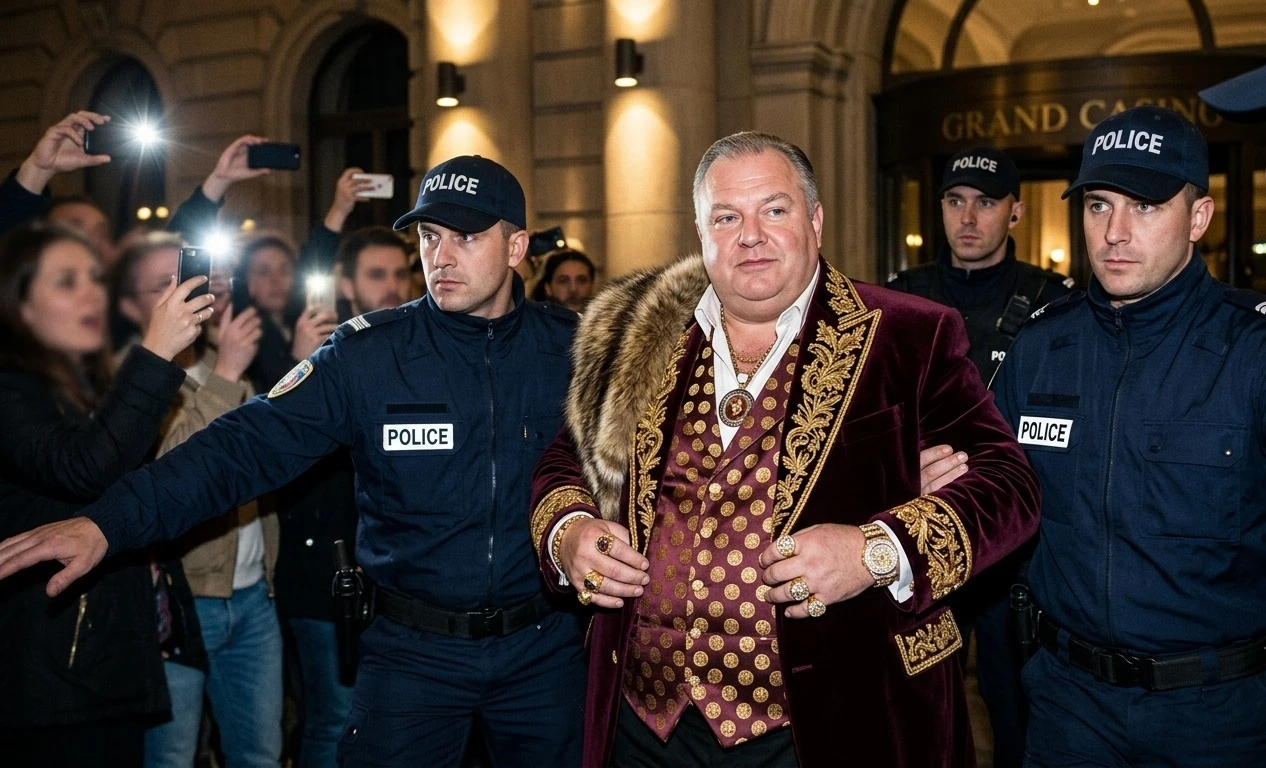
Justice may be blind, or it may simply be blinded by money and power. Across the American legal landscape, the upper echelon—the top one percent—has repeatedly skirted penalties that would land ordinary citizens in prison for decades. When wealth, political clout, and social status enter the courtroom, the principle of equal justice under the law frequently gives way to a multi-tiered system of privilege.
This disparity is baked directly into the mechanics of the legal process. Non-violent financial crimes often carry lighter public stigma and lower mandatory minimum sentences compared to street-level offenses. Factor in selective policing, where wealthy neighborhoods routinely experience far less aggressive street-level enforcement than low-income communities.
Wealthy defendants can retain specialized legal teams, private investigators, and expert witnesses capable of out-maneuvering state prosecutors. Pretrial release is similarly weighted because a cash bond isn't based on income: an indigent person receives the exact same $1,000,000 bond for a crime that an affluent offender commits. Because of this, wealthy individuals easily pay cash bail to await trial at home—assisting in their defense in civilian clothing rather than fighting their cases from behind bars in prison jumpsuits. Click Here.
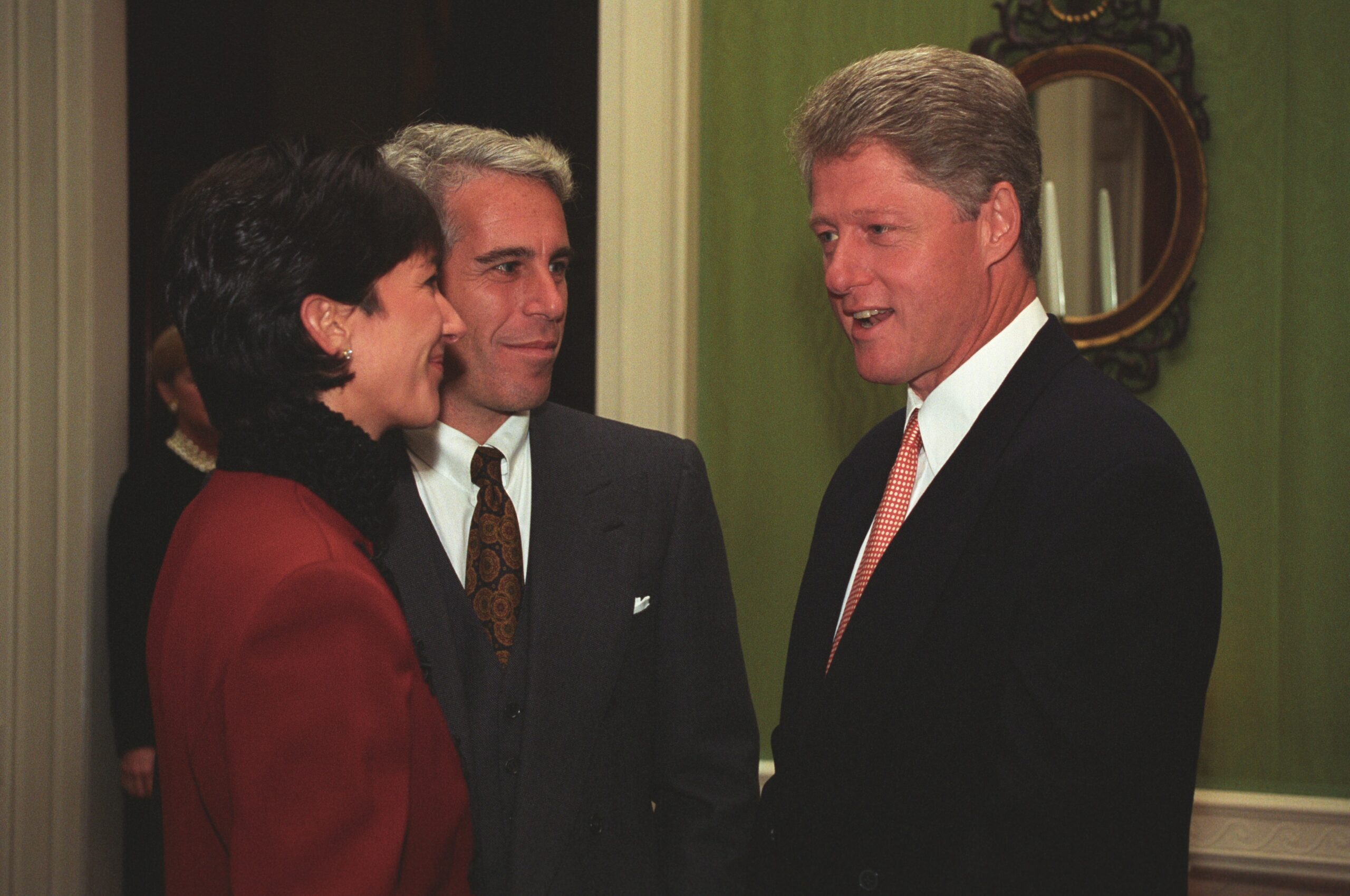
A brief examination of Jeffrey Epstein epitomizes this dynamic. Epstein amassed an estimated $600 million net worth not by founding companies or building consumer brands, but by ingratiating himself with world leaders, politicians, and royalty. Operating J. Epstein & Company exclusively for clients with a net worth of at least $1 billion, he collected roughly $490 million in financial advisory fees between 1999 and 2018. That elite network yielded extraordinary legal protections.
After being convicted for soliciting prostitution from a minor, Epstein received 18 months and served his time on work release. The state plea was tied to a secretive federal deal arranged by prosecutors that shielded him and co-conspirators from sex trafficking. Although his numerous victims desperately sought to get the deal revoked prior to his untimely demise, Epstein was re-arrested a decade later, ultimately dying by suicide in jail before standing trial—an event further clouded by missing video footage of the incident and further convoluted by the release of the heavily redacted "Epstein Files."

Epstein’s circle illustrates how top-tier influence operates, a pattern that extends into high-profile political and corporate cases. Epstein's former friend, President Donald J. Trump, was convicted on 34 felony counts in New York State Supreme Court, with a felony being punishable by a year or more in jail. If you do the math, you get the idea of how long Trump could have been behind bars. However, President Trump received an unconditional discharge on January 10, 2025, meaning no prison time, probation, or fines were imposed, though the felony convictions remain on his record—yielding the striking paradox of a leader stripped of the right to own a firearm while commanding the nation’s military.
Beyond politics, family fortunes regularly alter sentencing outcomes in severe, violent, and personal crimes. In 2009, Robert H. Richards IV, an heir to the multi-billion-dollar DuPont fortune, pleaded guilty to the sexual assault of his three-year-old daughter. Despite the severity of the crime, Delaware Superior Court Judge Jan Jurden spared him prison time, sentencing him to probation after stating on the record that he "would not fare well" in a prison environment—an exemption rarely extended to ordinary defendants.
Similarly, in 2013, 16-year-old Ethan Couch killed four people and injured nine while driving heavily intoxicated. His defense team successfully argued that he suffered from "affluenza"—a condition in which extreme wealth left him incapable of understanding the consequences of his actions. Couch was initially spared jail time entirely and sent to a luxury rehabilitation facility. While he was later sentenced to 720 days in adult jail in 2016 following probation violations, the initial verdict remains a landmark symbol of how defense strategy can leverage wealth to mitigate immediate accountability.
If the purpose of the legal system is to penalize wrongdoers consistently, wealth continues to operate as an unofficial exception to the rule. Until the mechanisms of bail, legal representation, and judicial discretion are insulated from financial influence, equal justice will remain an ideal rather than a practice.