Posted 11/1/2026
The modern music streaming economy has fundamentally altered how artists earn a living, with platforms like YouTube sitting at the center of the debacle. While streaming offers unprecedented global reach, its financial return for creators remains a point of intense friction.
The core difficulty lies in per-stream valuation. Platforms like YouTube typically pay artists a fraction of a cent per stream—often cited around $0.004. Because these micro-payouts are so low, generating a viable income requires astronomical reach. Achieving a milestone of $1,000,000 in gross revenue at that rate demands roughly 250 million streams. Conversely, film and television content distributed across major streaming services usually requires subscription-based paywalls, yielding significantly higher licensing fees and steadier compensation for visual media creators.
[ad_space_1}
The fragmented nature of user-generated content further worsens the situation. Fans frequently upload the same song across multiple unofficial channels, lyric videos, and audio clips, scattering listener traffic and discouraging official purchases. Furthermore, streaming algorithms often devalue repeat engagement; after a certain threshold of streams from the same individual, platform payouts diminish, meaning a dedicated superfan's heavy listening loop does not scale linearly into fair compensation. Those same algorithms generally propel more popular artists to the forefront.
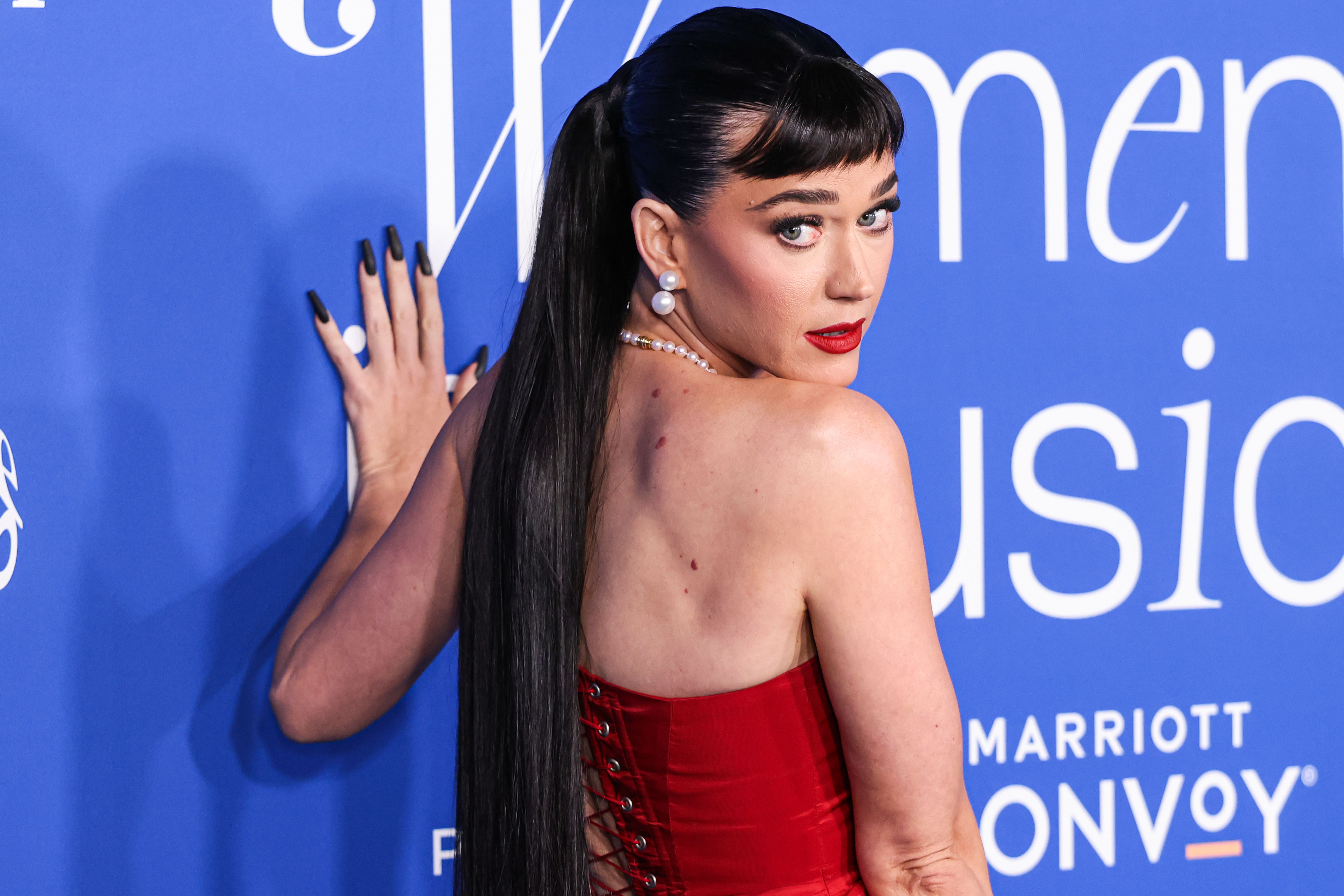
While major stars with massive appeal can offset these low royalties through global stadium tours and high-end merchandise, independent musicians are heavily disadvantaged. Without the infrastructure to sustain large-scale live performances, many find that recorded music functions less as a direct revenue source and more as a promotional business card. Perhaps this shifting financial landscape explains why prominent artists have increasingly decided to cash out by selling all or a portion of their music catalogs: Katy Perry netted $225 million, Justin Bieber earned $200 million, and Lil Wayne secured over $100 million for his master recordings. Legendary acts have followed suit on an even grander scale, with Bruce Springsteen selling his masters and publishing to Sony Music Group for an estimated $550 million, the estate of Michael Jackson parting with a 50% stake in publishing assets for $600 million, and Queen selling their recorded music and associated rights to Sony for $1.27 billion.
Alongside the financial squeeze of streaming is the rapid emergence of artificial intelligence. Modern AI tools can compose original melodies, harmonize arrangements, handle professional-grade audio mixing and mastering, and even synthesize realistic human singing voices from scratch. Production expenses that once required hiring session musicians and booking commercial studio time can now be simulated digitally in seconds, flooding distribution networks with automated content that further dilutes royalty pools.

Because recorded music rarely covers production and living costs on its own, the modern baseline for working musicians relies heavily on diversification. Playing local venues, regional tours, and festivals remains one of the few ways independent artists can turn a profit, though travel and gear maintenance eat heavily into margins. Selling physical goods like vinyl and t-shirts while utilizing platforms like Bandcamp or Patreon allows fans to support artists directly, providing much higher profits than streams can. Ultimately, recording music has transformed into a job instead of artistic expression: a patchwork of paltry royalties, self-funded production, and localized live performance. Even traditional bastions of high-art performance—such as classical orchestras and opera houses—represent a more structured ecosystem of live presentation, yet they too face mounting cultural headwinds as younger audiences migrate toward digital-first consumption, leaving these majestic art forms increasingly vulnerable to falling by the wayside.
Hope springs eternal...