Posted 10/10/2026
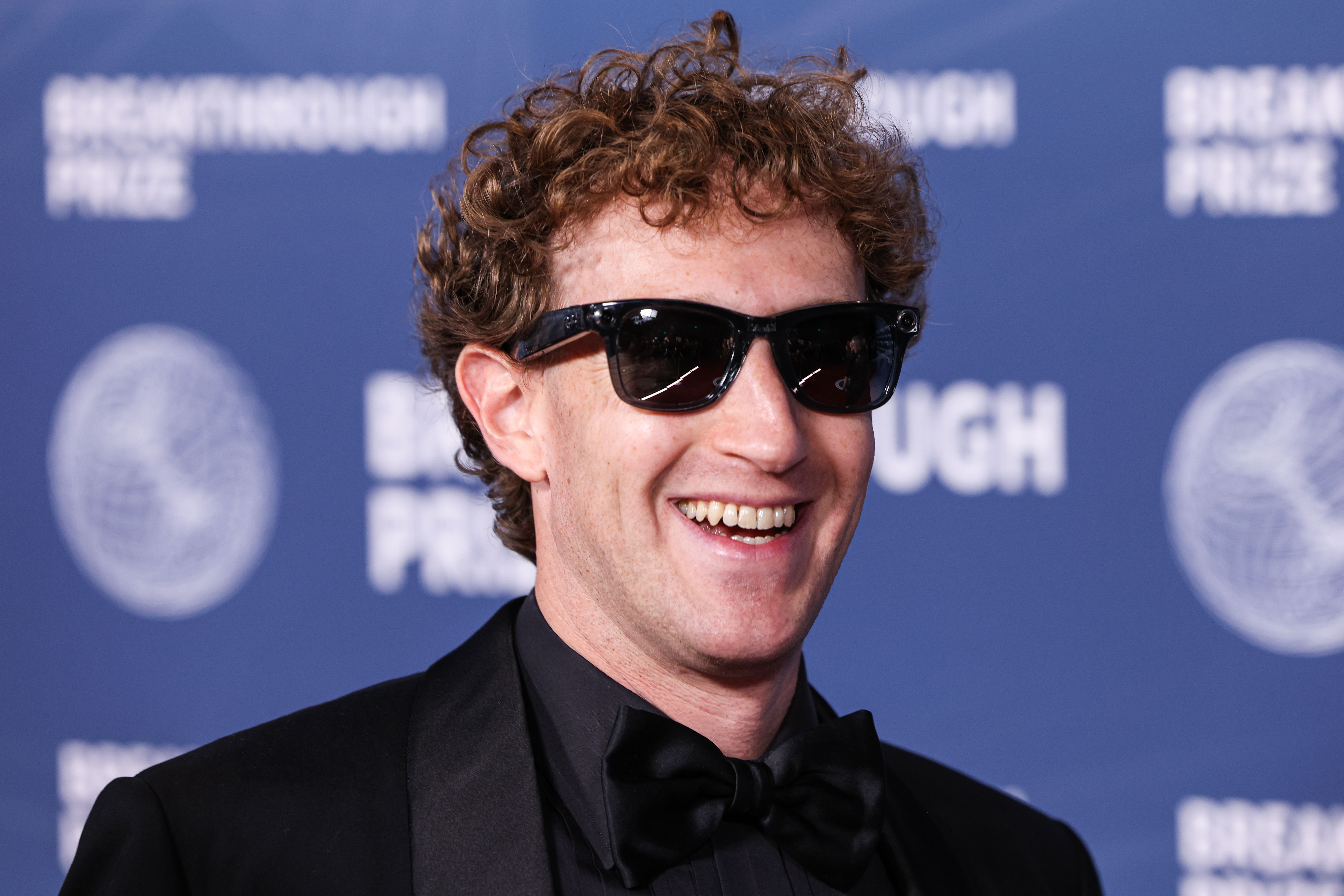
Stealthy, unassuming, and convenient: smart glasses have officially put personal privacy in the crosshairs. These devices are most notably popularized by the partnership between Meta and Ray-Ban. Governments across the globe—including Australia, Britain, the European Union, and Norway—are scrambling to figure out a solution before the boundaries of privacy dissolve entirely. In the United States, New York has already drawn a hard line in courtrooms, banning prescription and non-prescription eyewear alike if it harbors a hidden lens.
The core anxiety isn't just about a casual snapshot; it’s about silent, invisible surveillance. With a subtle blink, these devices can stream live video or record entire conversations while the subject remains completely oblivious. Tech companies likely consulted legions of lawyers to exploit the legal loophole that "there is no expectation of privacy in public."
"Spy glasses" have existed in various forms for years, but the key word is spy—and people generally object to being monitored without their knowledge, a sentiment reflected in privacy laws. Traditional "Peeping Tom" laws target a specific, extreme version of observation usually driven by sexual gratification. However, being tracked surreptitiously in everyday life can feel just as invasive, especially if images or recordings are disseminated without prior consent.
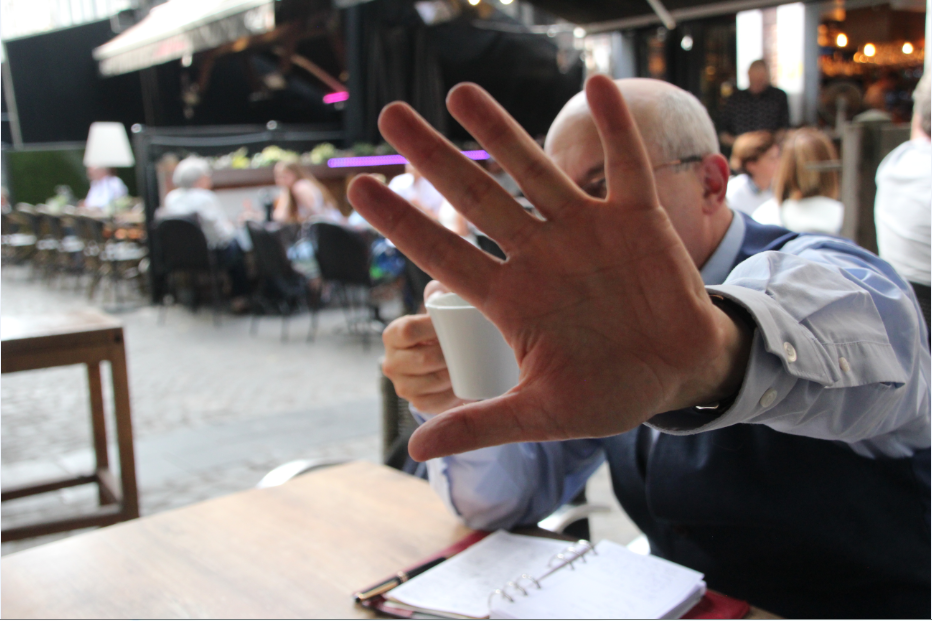
Movie stars are frequent targets of paparazzi—opportunistic photographers who may spring from bushes or camp out indefinitely to capture a shot, with some behaviors bordering on stalking. For most celebrities, however, a vast fortune offers a financial buffer to help shield them from this relentless scrutiny. The average citizen is not afforded that same luxury, yet faces a similar risk of being photographed without permission via consumer tech. The irony is underscored by Hollywood's own strict standards: while everyday people can be filmed on the street without a word, movie studios must legally obtain signed release forms from background extras just to use their likeness on film.
Recognizing the threat, movie theaters and schools are preemptively banning the smart glasses—a vital precaution for educational institutions tasked with protecting minors and student privacy. Of course, smart glasses aren't entirely without merit; they could occasionally aid law enforcement by capturing evidence in criminal cases, such as a robbery or a hit-and-run. They could redefine the term "eye witness." Smart glasses come with a starting price of around $299.