Posted 11/17/2026
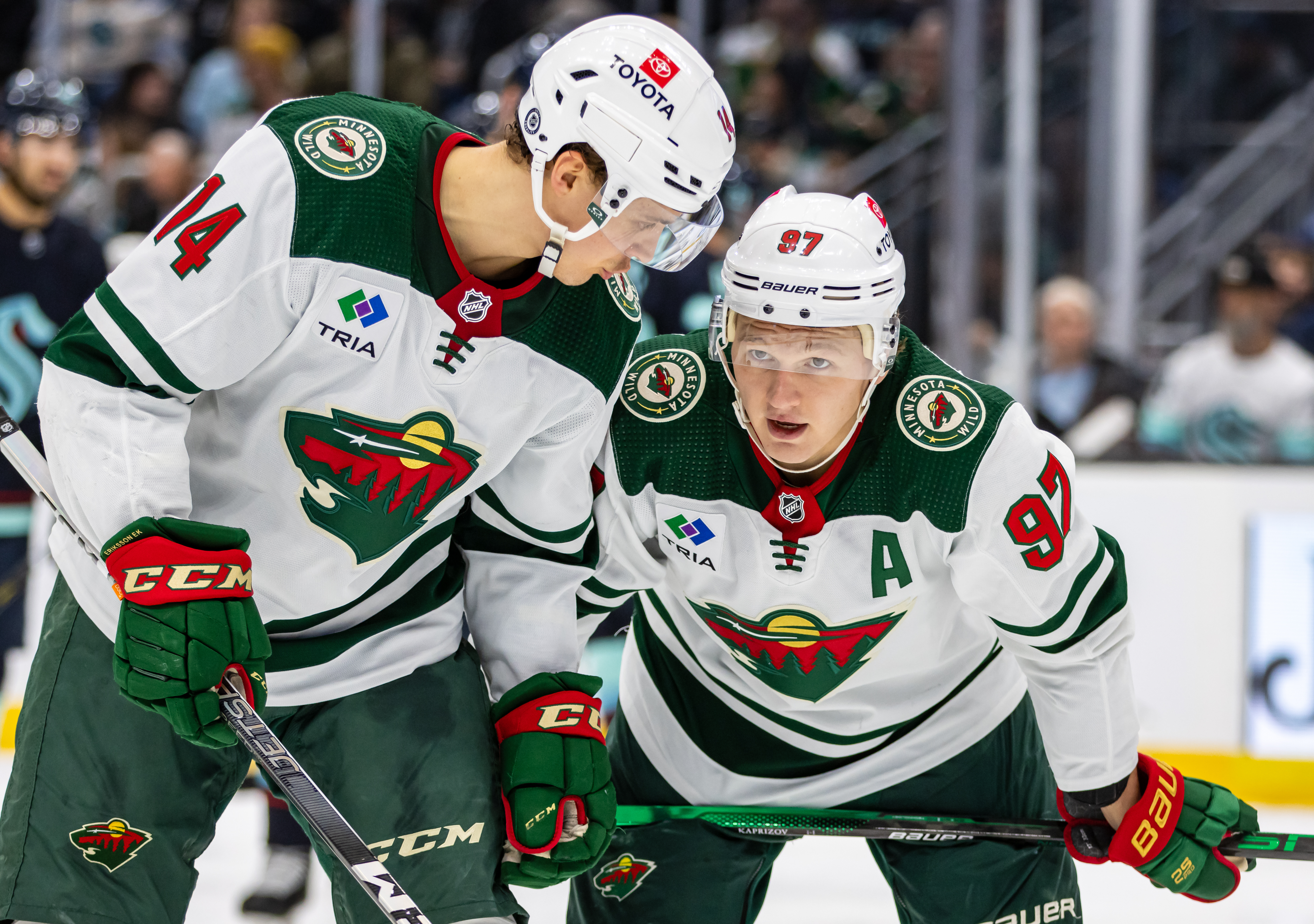
Hockey fans have had plenty of reason to get excited early this season, as Minnesota Wild superstar left wing Kirill Kaprizov scored 15 goals in his first 17 games. That torrid pace put him on track for 72 goals in a season—a jaw-dropping number in today’s NHL. Yet even with that blistering start, Kaprizov was still staring up at a peak shrouded in the clouds: Wayne Gretzky’s 92-goal masterpiece from the 1981–82 season, a record that may never be broken. Brett Hull came the closest with 86 goals in the 1990–91 season, coming up six short, followed by Mario Lemieux with 85 goals in the 1988–89 season. Some records are simply unconquerable.
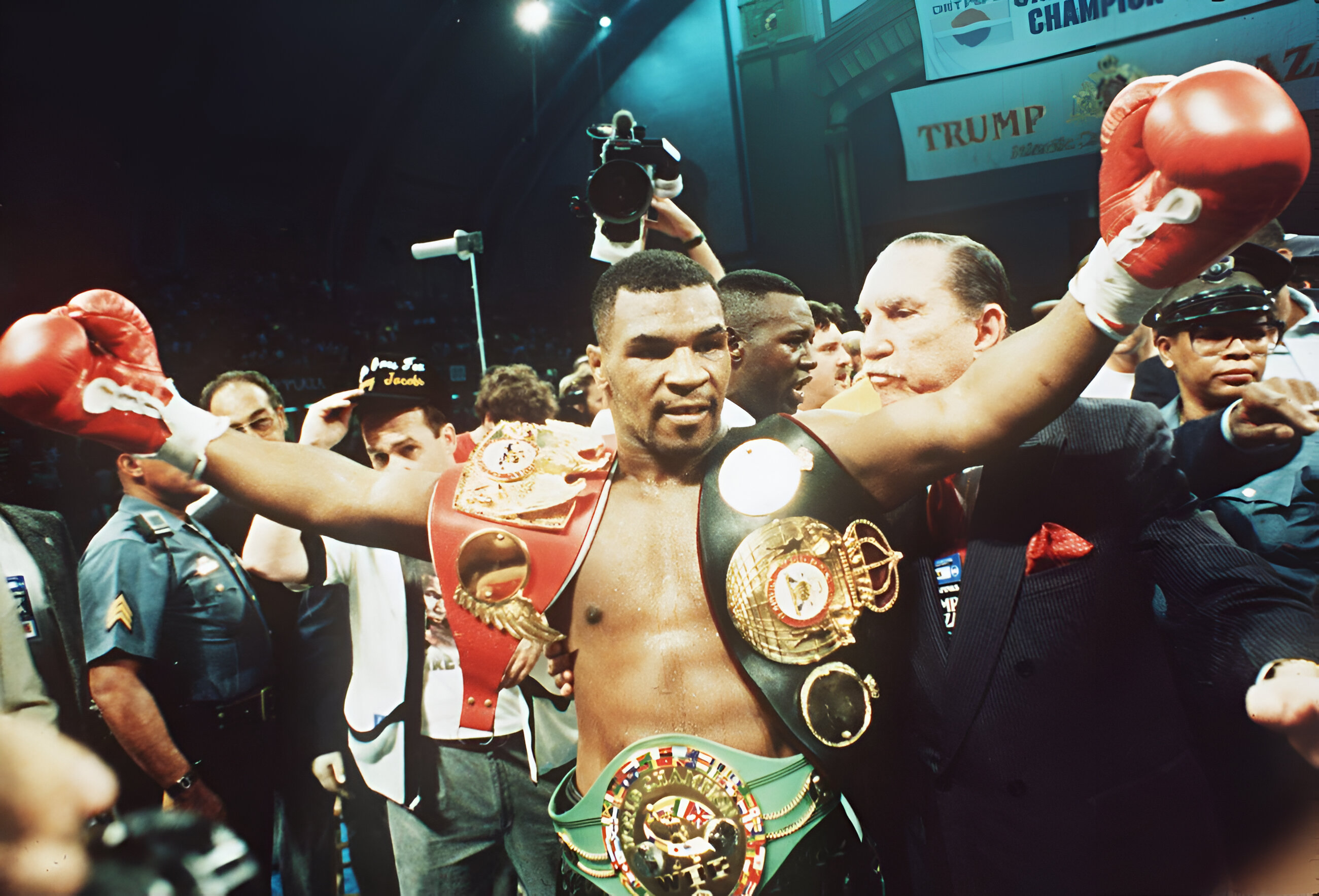
Mike Tyson became the youngest heavyweight champion ever—at 20 years, 4 months, and 22 days old—when he won his first heavyweight title on November 22, 1986, a record that has stood for 40+ years. Prior to him, Floyd Patterson won the heavyweight championship at 21 years, 10 months, and 26 days old, and his record stood for 30 years. As an interesting fact, they were both trained by Cus D'Amato. Tyson’s record remains untouched because not only does modern boxing rarely put prospects near a title belt before their mid-twenties, but it also takes years of training to become a professional good enough to beat the champ.
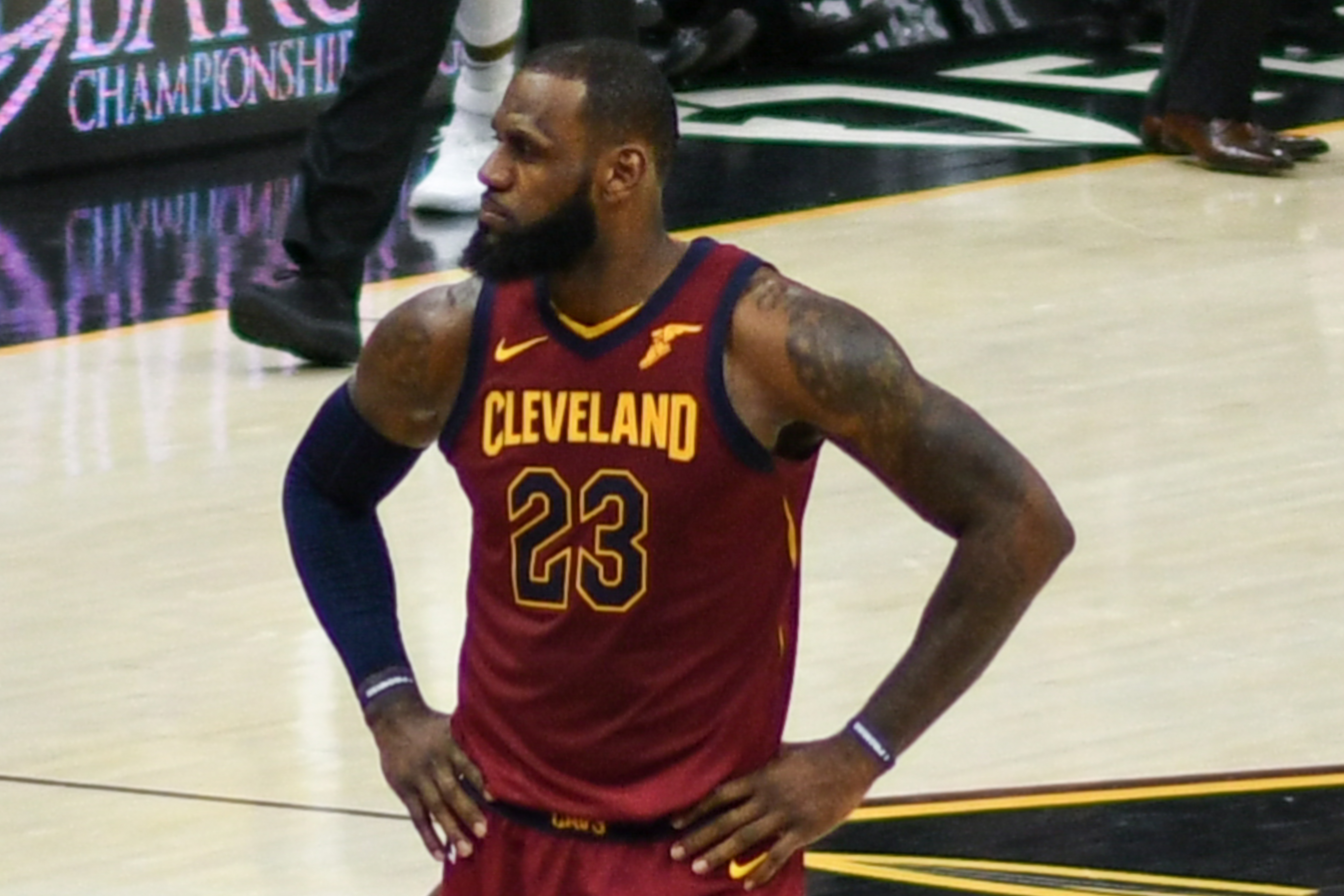
LeBron James skipped playing college basketball and came straight to the NBA in an era when players could be drafted out of high school. It still took him 20 seasons, playing at an extremely high level, to break Kareem Abdul-Jabbar's scoring record, which stood for 38 years, pushing the mark to 43,606 points and counting. As far as single-game highs go, Wilt Chamberlain’s 100-point single-game record from 1962 has survived 64+ years. Even when Bam Adebayo erupted for 83 points on March 10, 2026—surpassing Kobe Bryant’s 81—he still came up 17 points short of tying Wilt.
Baseball is built on history, yet several of its crown jewels are mathematically out of reach today. Cy Young’s 511 career wins (115+ years old) cannot be touched in an era of five-man rotations and strict pitch counts. Joe DiMaggio’s 56-game hitting streak from 1941 has gone 85+ years without anyone even reaching 45 games, and Pete Rose’s 4,256 career hits require two decades of ironman durability in an era dominated by strikeouts and load management.
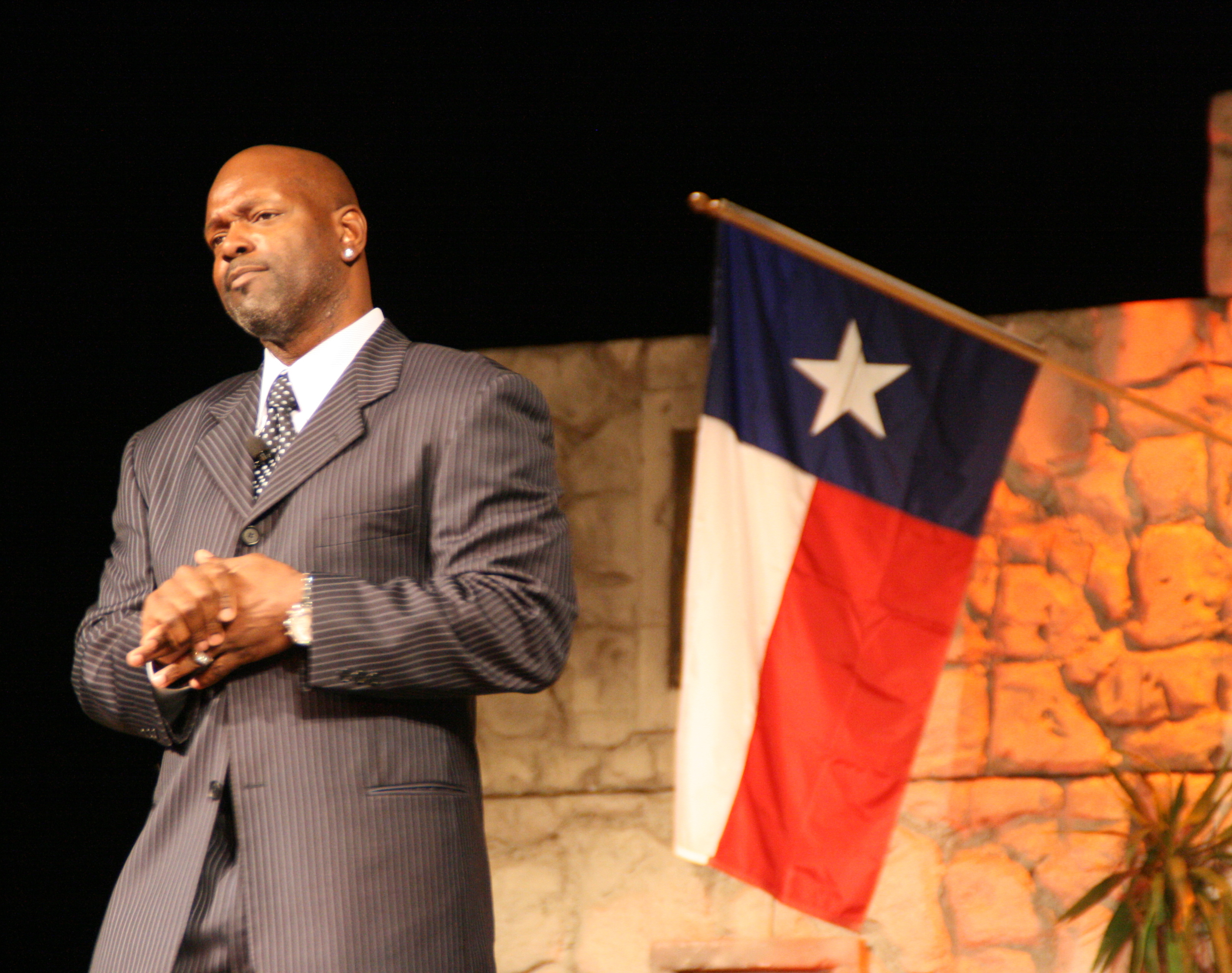
In football, Eric Dickerson’s single-season rushing record of 2,105 yards with the Los Angeles Rams in 1984 has stood for over 42 years. Even with the NFL expanding to a 17-game schedule, no running back has caught him—though Saquon Barkley came close with 2,005 yards. It is highly unlikely that any running back will ever eclipse Emmitt Smith's all time rushing record of 18,355 yards, or have 11 consecutive seasons with 1,000 or more rushing yards, or have 4,409 rushing attempts, or have 164 rushing touchdowns. Whew!
Of course, history occasionally surprises us—after all, for decades, nobody believed the world would ever see a trillionaire, yet shifting economic scales eventually shattered that ceiling, too.
On the ice, however, Gretzky’s 92-goal fortress is protected by the evolution of hockey itself. In 1982, Gretzky fired pucks at stand-up goalies wearing small leather pads, while elite first lines routinely feasted on overmatched expansion-team rosters. Today’s NHL is a 32-team parity machine guarded by 6-foot-4 goalies who seal off the net with oversized gear and perfected butterfly positioning across four structured, video-analyzed lines. Potting 93 goals in the modern game requires playing all 82 games, attempting more than 370 shots on goal, and converting at an unheard-of 25 percent clip.
Records may be made to be broken, and watching a star like Kaprizov catch fire reminds us why we love the game. Still, when you weigh the history of sports' greatest untouchables against how much hockey has changed since 1982, Wayne Gretzky’s 92-goal masterpiece looks less like a target and more like a permanent monument.