Posted 7/12/2026
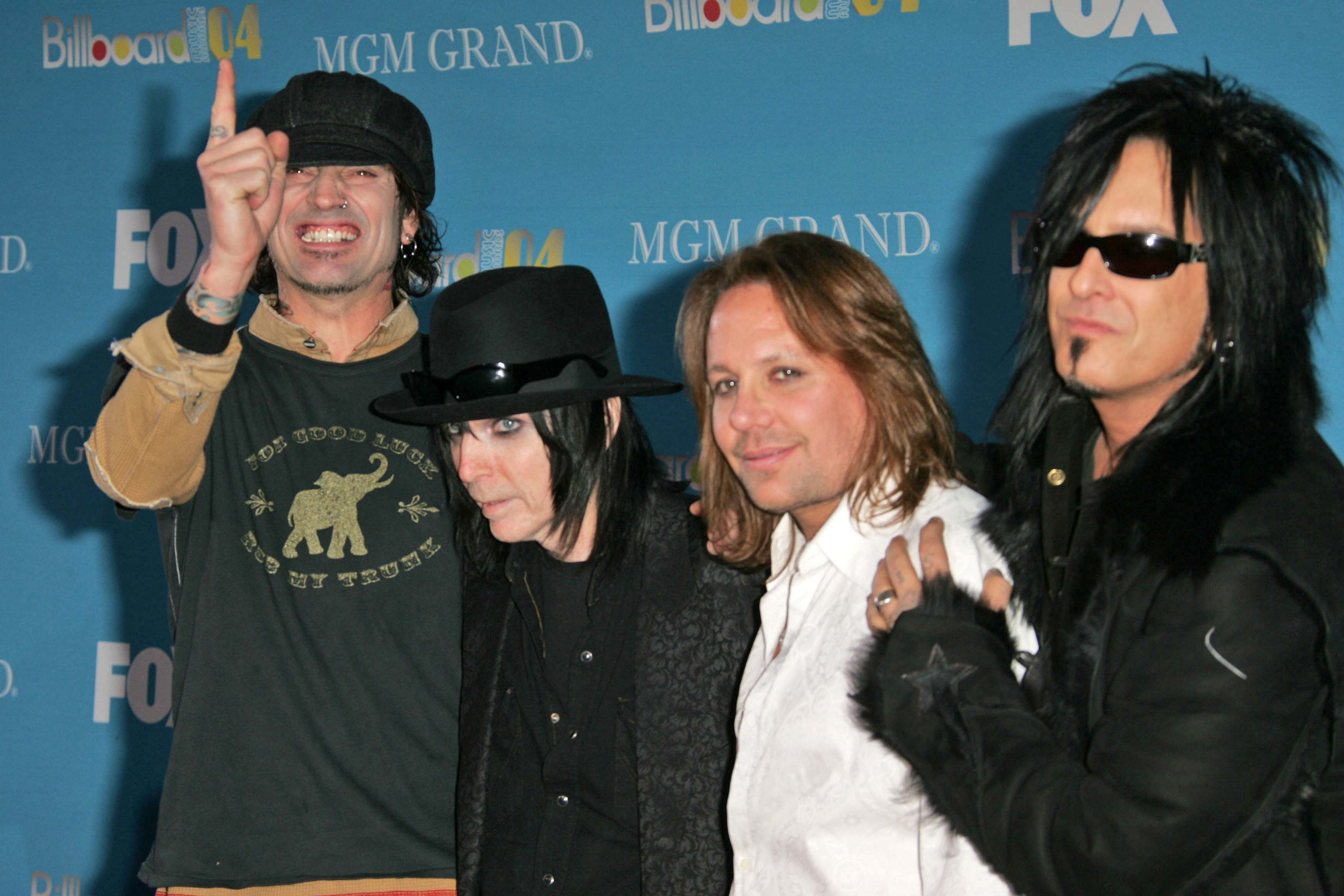
By the late '70s and early '80s, the popularity of heavy metal had become a worldwide phenomenon that spawned from rock and roll. Pioneers of the genre were memorable bands such as Led Zeppelin and Black Sabbath, with Black Sabbath largely being considered the originators. Several other groups emerged—including Iron Maiden, Judas Priest, and Def Leppard—and the effects of their influence could soon be seen in the fashion of the youth around the time. Kids were sporting long hair or mohawks, leather pants, chains, piercings, and most things likened to their favorite groups.
The behavior of teens and adolescents could arguably be linked to their adoration of their favorite bands, perhaps even devil worship. Mötley Crüe were known to brandish Satanic symbols in their stage shows. The founder of Black Sabbath, Ozzy Osbourne, was deemed "the Prince of Darkness."
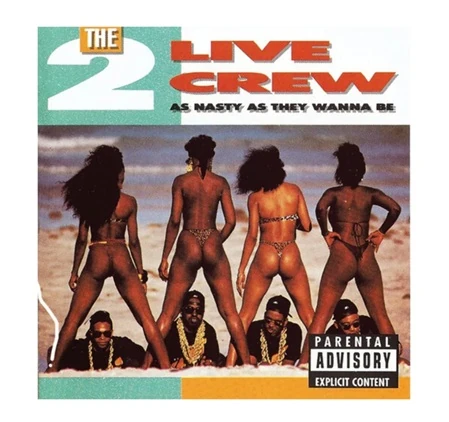
As music transformed and hip-hop started gaining widespread attention, the 2 Live Crew out of Miami, Florida, flaunted a style some characterized as raunchy, with often obscene, misogynistic lyrics and graphic content. Florida Governor Bob Martinez and others initiated a crackdown against obscenity, eventually leading to the ban of the group's album, As Nasty as They Wanna Be. Their record sales skyrocketed, and the album was certified double platinum. People were greatly concerned that impressionable youths might be persuaded to engage in immoral sexual practices, like group sex and unprotected sex, during a time in which the AIDS epidemic was growing.
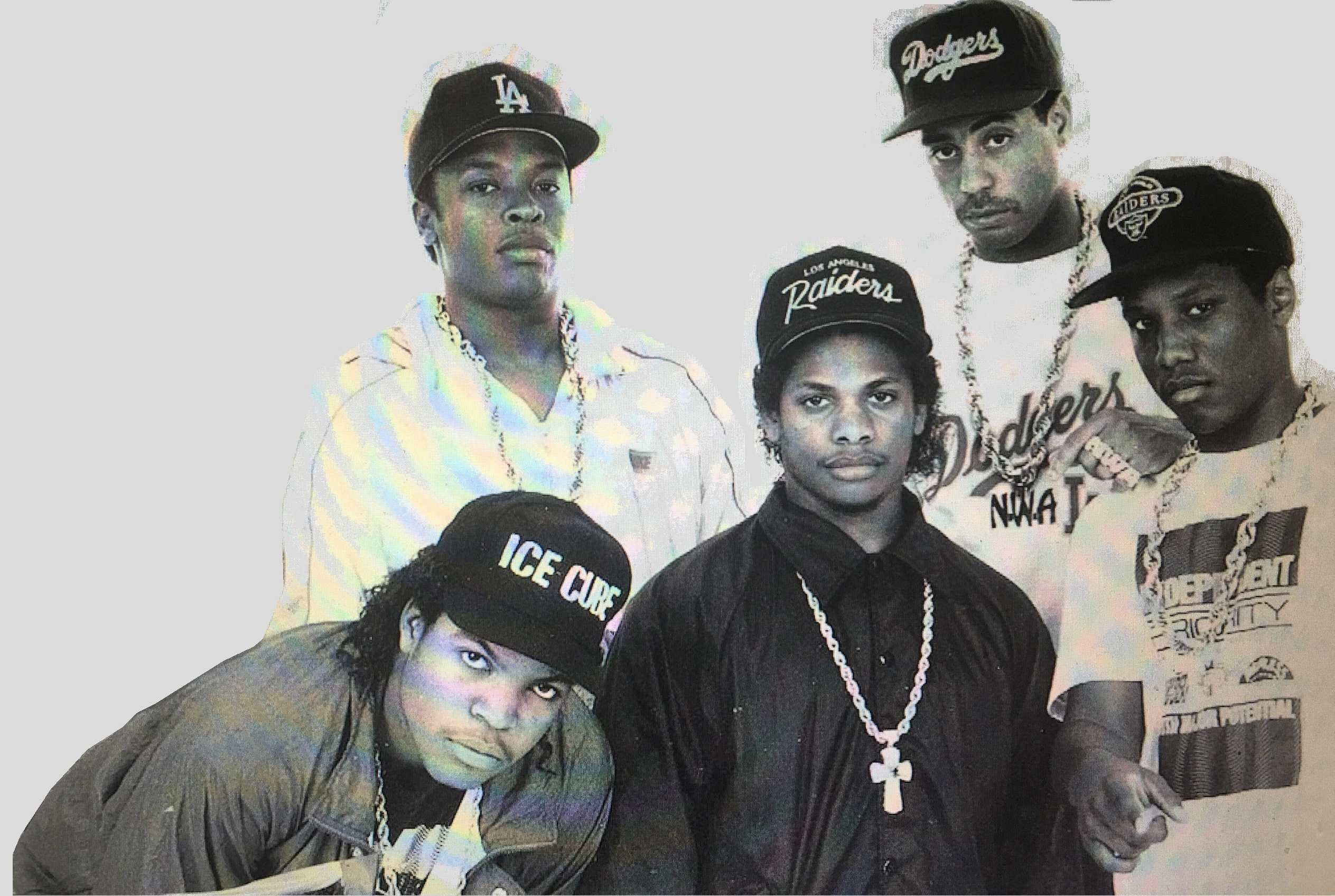
Violence and criminal activity were also present in music, and the glorifying of the lifestyle of peddling drugs perhaps rose to prominence with the release of N.W.A.'s "Dope Man" single. N.W.A. was a rap group out of Compton, California, known for their rebellious attitude, with N.W.A. being an acronym for Niggas Wit Attitudes. They also released the single "Fuck the Police," describing the treatment of Black individuals by law enforcement in an effort to shed light on what was transpiring in their neighborhood but taking a defiant stance.
In all of this, the role of record companies may have gone unnoticed. A&R (artists and repertoire) departments routinely filter through the music artists create, deciding what they'd like the label to promote. Artists are paid whopping sums of money to produce content. Some may say this all culminated in music heard today, with sexual activity being described openly and even talk of committing murder on records.
YNW Melly's single titled "Murder on My Mind" tells an upsetting story of Melly shooting a close friend and holding him in his arms, which he was actually later accused of—double murder in fact. The video has garnered over 700 million views on YouTube.
50 Cent made remarks about how the women in today's hip-hop promote a whorish lifestyle for young ladies, which might be hypocritical seeing as how he advocated living a gangster life in his music. Yung Miami stated, "I don't let my kids listen to my music. I'm an adult entertainer. I make vulgar music."
Some question her outlook if she's the creator of explicit content kids might be exposed to, while she doesn't want the same content in the purview of her own children. Yung Miami was a member of a group called the City Girls and expressed that she wouldn't want her daughter involved with such an outfit.

Yung Miami pictured left, JT right
Click image to see the video "Twerk" featuring Cardi B
People may see the deterioration of society, especially where the youth are involved, and blame it on several factors. However, record companies typically target the youth, and their message to certain demographics isn't always positive. Music videos, album art, and social media campaigns are curated to mirror the fashion, slang, and cultural markers of the specific group the label wants to attract. By financing videos that highlight specific luxury brands, streetwear, or lifestyles, the company creates an aspirational loop: the music tells the youth what is "cool," and the youth buy into the lifestyle.