Posted 7/14/2026
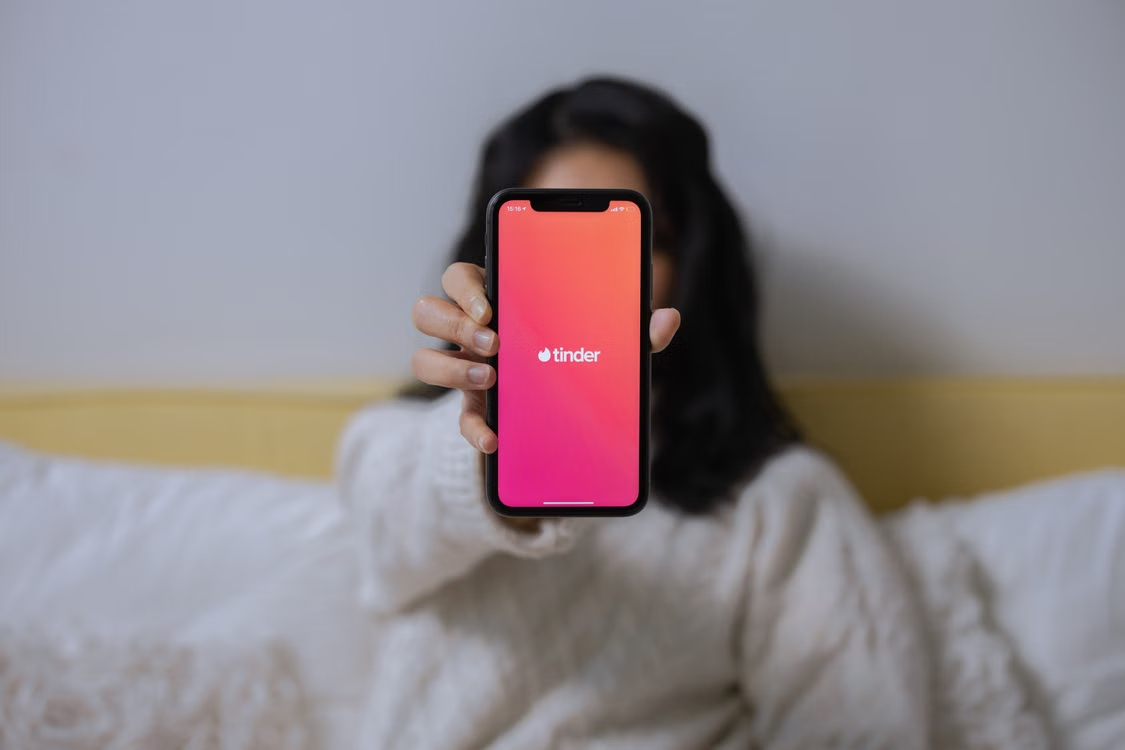
When someone is lonely and bored and tired of just being with themselves, they are at liberty to search the World Wide Web in hopes of finding their soulmate.
Paying for a membership to a dating site may grant you the opportunity to discover the love of your life. The traditional way of approaching people is becoming passé, and in today's society, it could be viewed as creepy—walking up and talking to a total stranger.
An app gives you the ability to narrow the playing field to single individuals that you find appealing who share common interests. Though apps don't enable you to thoroughly examine a person before you actually rendezvous, they do, however, assist in eliminating those that don't meet certain criteria.

Dating apps may also prove to be a great tool for people exhausted by countless dates, only to keep finding incompatibility and profound disappointment. In addition, dating sites offer a sense of control, whereby people can effectively schedule their romance.
There are other inherent dangers involved when seeking a companion on the internet as well. Scammers abound. Imagine buying a pair of shoes online to later receive them and finding they don't fit, or worse, aren't the ones you ordered. You could have a similar experience when you're basically shopping for people.

Dating sites are raking in tons of money, and it could be said that they are capitalizing off of people's desperation. Men are more susceptible to being taken advantage of in their search for love. Some sites require a paid credit system for men, while women can use them for free. Take, for example, Ashley Madison, an online dating platform designed for discreet encounters. It was historically known to be exclusively for married people pursuing affairs but has since been rebranded. Their ultimate package is $249 for 1000 credits to message women, not knowing if they'll get a response or if profiles are authentic.
Tinder is extremely popular, currently dominating the online dating scene. Tinder subscription prices vary based on your age, location, and length of commitment, ranging from $10 to $55 per month for standard tiers, alongside an ultra-premium invite-only tier costing $499 per month! A Match.com subscription generally costs between $18.99 and $45.99 per month for a standard plan or $19.99 to $50.71 per month for a premium plan.
As far as dating sites go, there could possibly be thousands in business to make a buck from what people used to do naturally—meet. Bumble, Zoosk, eHarmony, Facebook—and the list goes on and is quite extensive. Swiping through a seemingly infinite stack of profiles reduces complex human beings to a digital inventory, somewhat of a vending machine of prospects, filtering out those who don't meet exact pre-set specifications.

While apps are marketed as tools to bring people together, their underlying architecture is built on the mechanics of consumerism, behavioral psychology, and corporate profit. And make no mistake about it, these are corporations that own most dating sites. Match Group is a publicly traded company headquartered in Dallas, Texas, that happens to own a massive portfolio of popular dating apps and sites, including Tinder, Hinge, OkCupid, and Plenty of Fish.